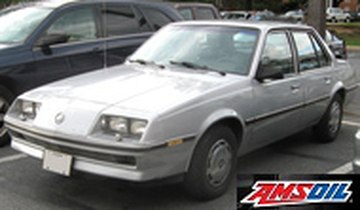
Lubrication Maintenance for the 1982 Buick SKYHAWK 1.8L
Maintaining a vehicle from the early 1980s requires a proactive approach to fluid management and mechanical inspection. For the 1982 Buick SKYHAWK equipped with the 1.8L engine, consistent attention to lubrication systems is a fundamental aspect of long-term ownership. Because older engines may exhibit different sealing characteristics than modern counterparts, understanding how to monitor and respond to changes in lubricant condition is essential for preserving engine health.
Monitoring Fluid Integrity and Potential Leaks
One of the most effective ways to manage an aging engine is through regular visual inspections of the lubrication environment. Rather than waiting for a warning light or a significant drop in fluid levels, owners should periodically check for signs of seepage. This involves looking at the areas surrounding the engine block and the underside of the vehicle for any evidence of wetness or residue.
When performing these checks, consider the following:
- Surface Seepage: Inspect gaskets and seals for signs of age-related seepage. Even if a leak is not actively dripping, a "sweating" appearance on various engine surfaces can indicate that seals are beginning to lose their effectiveness.
- Puddle Identification: Regularly check the ground where the vehicle is parked. Any fresh spots of fluid can be an early indicator that a component requires attention.
- Fluid Appearance: If you have access to the oil dipstick, observe the color and consistency of the lubricant. While oil naturally darkens over time due to use, extreme discoloration or a gritty texture warrants further investigation.
It is important to remember that many symptoms, such as an oily residue or a change in fluid appearance, can have multiple causes. A visual inspection is a starting point for identifying areas that may require professional diagnosis.
Managing Engine Lubricant and System Health
The engine oil serves several vital roles beyond simple lubrication. It helps manage heat within the engine components and assists in controlling the buildup of deposits. Over time, all lubricants undergo chemical changes due to thermal stress and exposure to various combustion byproducts. This process can lead to the formation of sludge or other deposits if the oil is not changed according to a consistent schedule.
For an engine like the 1.8L in this Buick, maintaining clean oil is critical for minimizing internal friction. If the lubricant becomes too heavily contaminated or loses its structural integrity, it can no longer provide the necessary protection for moving parts. This makes following a regular maintenance routine and using high-quality products a priority for any owner looking to maintain steady engine performance.
Prioritizing Maintenance Based on Current Condition
As vehicles age, the strategy for maintenance often shifts from strictly following a calendar to observing the actual condition of the machine. For a 1982 Buick SKYHAWK, this means using the current state of the vehicle to determine where to focus your efforts. If you are stepping into ownership of this vehicle without a complete service history, establishing a baseline is a logical first step.
To establish this baseline, consider reviewing any available maintenance records to see when fluids were last changed or when major components were serviced. If no records exist, performing a thorough inspection of all vital systems—including checking the condition of hoses and belts if equipped—can help you understand the vehicle's current needs. Once a baseline is established, you can transition into a preventive mindset, addressing minor issues like small seeps or aging electrical connections before they escalate into more significant mechanical concerns.
Observing Potential Warning Signs
While routine inspections are the best defense, owners should also remain vigilant regarding any sudden changes in how the vehicle operates. Recognizing these signs early can prevent unnecessary complications.
Potential indicators that require investigation include:
- Changes in Lubricant Consumption: If you notice that you are needing to add oil more frequently than usual, this is a sign that the engine may be consuming lubricant or that an external leak has developed.
- Unusual Noises: Any new mechanical sounds coming from the engine area should be investigated promptly, as they can sometimes be associated with changes in lubrication efficiency.
- Warning Indicators: If any dashboard indicators related to the engine or oil system illuminate, it is vital to address the issue immediately.
Always approach these symptoms with the understanding that they are indicators for further inspection rather than definitive diagnoses of a specific part failure.
Long-Term Ownership and Record Keeping
For those intending to keep a 1982 Buick SKYHAWK for an extended period, documentation is one of the most valuable tools available. Maintaining a detailed log of all services—including oil changes, filter replacements, and any repairs performed—provides a clear picture of the vehicle's history. This is particularly useful when trying to distinguish between normal age-related wear and issues caused by inconsistent maintenance.
A well-kept service history can also assist in predicting future needs. For example, if you know exactly how many miles have passed since a specific component was last inspected, you can better prioritize your maintenance tasks. Consistent record-keeping transforms maintenance from a reactive process into a controlled, proactive part of vehicle ownership.
Practical Guidance for Buying Engine Oil for the 1982 Buick SKYHAWK 1.8L
When it is time to replenish your engine's lubrication, the most important step is ensuring the product you select matches the specific requirements of your engine. Because different engines have unique tolerances and operating needs, you should not rely on general assumptions based on the vehicle's age or size.
To ensure a correct match, please refer to the application-specific oil viscosity and lubricant information already displayed on this webpage. When you are ready to purchase, follow these practical steps:
- Verify Viscosity: Match the engine oil to the vehicle-specific viscosity information shown above. Do not use an alternative grade unless it is explicitly permitted by your service documentation.
- Check Product Labels: Before completing your purchase, double-check the label on the bottle to confirm it meets the necessary specifications and matches the information provided for this 1.8L application.
- Consider Formulations: Depending on your engine's current condition, you may choose between conventional, synthetic blend, or full synthetic oils. Some high-mileage oil formulations also contain additives intended for use in aging engines, including seal-conditioning additives.
By strictly adhering to the application data provided on this page, you can ensure that your 1982 Buick SKYHAWK receives the appropriate lubrication required for its continued operation.